Reading the Reservoir: The Quiet Rise of Water-Led Brewing in Britain
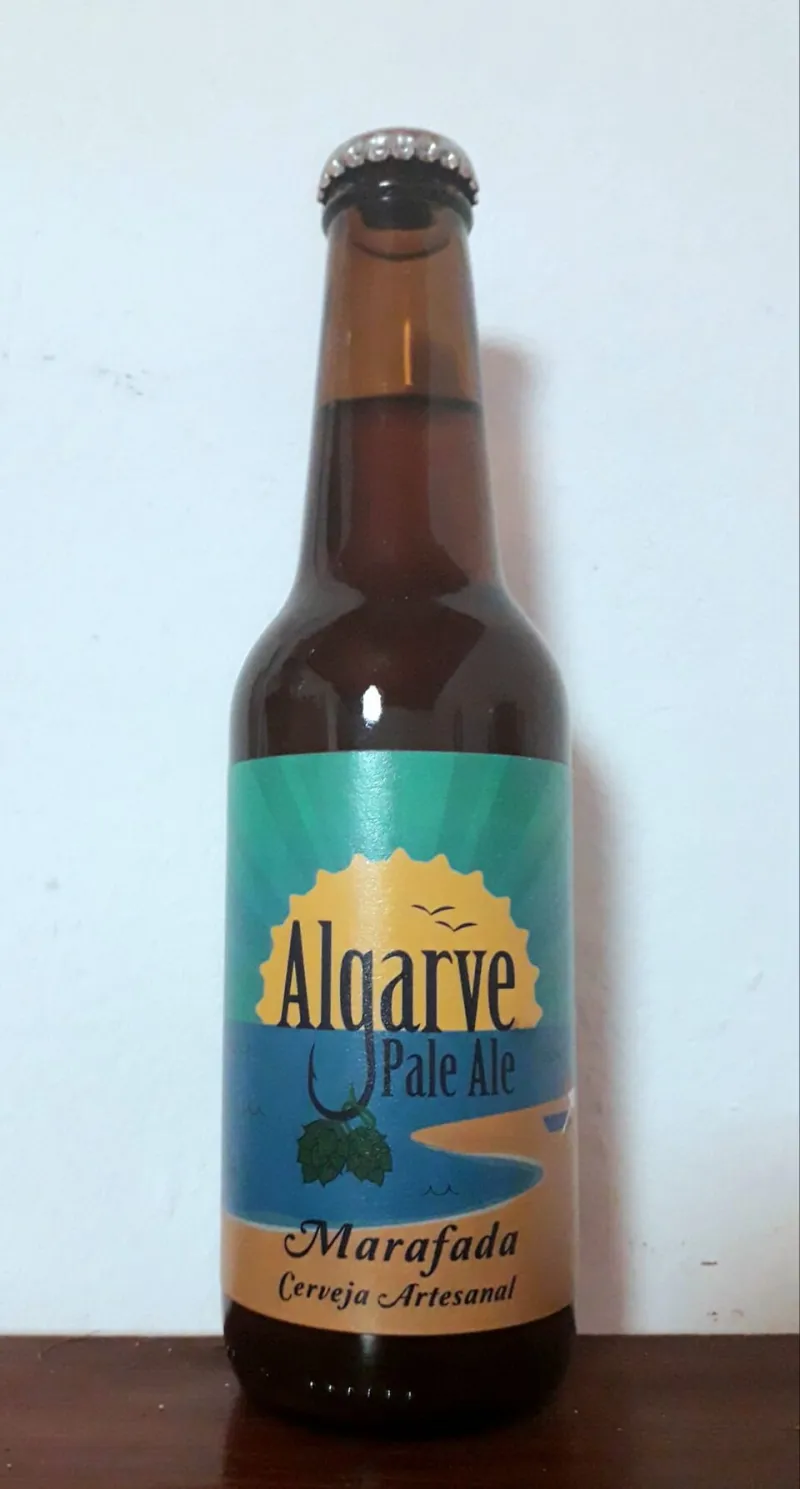
Photo: Cardoazul, CC BY-SA 4.0, via Wikimedia Commons
Ask a brewer what goes into a pint and you'll hear about malt, hops and yeast. Ask about water and you might get a shrug — or, increasingly, a spreadsheet. Water is the quiet giant of brewing: roughly nine-tenths of every glass, the solvent that carries colour, bitterness and body. For years, most small UK breweries treated their supply as a utility: carbon-filter it, adjust the mash pH if needed, and move on. That's changing. Across the country, brewers are pulling water reports, sending samples to labs and treating their local supply as an ingredient with its own character. Some are even harvesting rain. The result is a quieter kind of innovation — one that starts at the tap.
The 90 Per Cent Problem
You don't need a chemistry degree to grasp the basics. Water contains dissolved minerals — calcium, magnesium, sulphate, chloride, bicarbonate — and those minerals influence two big things: mash pH and flavour. Too much alkalinity and the mash sits too high, extracting harsh tannins and dulling the beer. Too little calcium and yeast can struggle. Sulphate tends to sharpen bitterness, making hops feel drier and more assertive; chloride rounds things out, pushing malt and body. The ratio between the two is a favourite dial for brewers chasing a particular mouthfeel.
Then there's pH. Brewers measure mash pH, not the pH of the water itself, because grains shift the reading. A pale malt bill in soft water can land too high; a dark stout can push it too low. The fix might be as simple as a few grams of gypsum or a dash of food-grade acid. But the starting point matters. Two breweries with the same recipe and different water can produce very different pints.
Burton's Long Shadow
British brewing has a famous water story: Burton-upon-Trent. The town's gypsum-rich wells helped define pale ale, and the sulphurous 'Burton snatch' became a signature. Generations of brewers have tried to recreate that profile by adding gypsum to their own water. It's a useful trick, but it also encouraged a mindset where local water was something to correct rather than celebrate.
That's beginning to shift. Instead of asking 'how do I make my water taste like Burton?', more small brewers are asking 'what is my water good at?' A brewery on chalky downland might lean into crisp, bitter beers; one with soft Highland supply might favour rounded malt-forward styles. The point isn't purity — it's identity.
Profiles, Not Prescriptions
The practical work is unglamorous. Brewers request a water quality report from their utility, or pay for a lab analysis that covers alkalinity, calcium, magnesium, sodium, sulphate and chloride. From there they build a treatment plan. Some use reverse osmosis to strip everything back, then add salts to hit a target profile. Others treat their tap water directly. Both approaches can make excellent beer, but they ask different questions. RO gives control; it also wastes water and can feel disconnected from place. Direct treatment keeps a link to the local supply but demands regular testing, because water composition drifts with seasons and source changes.
There's a quiet craft in that testing. A brewer who checks alkalinity every few weeks is doing the same kind of work a chef does tasting stock — paying attention to something most people ignore. In a small brewery, that attention often sits with one person, usually alongside a dozen other jobs.
Rain, Rooftops and Resilience
The most intriguing experiments are happening at the edges. A handful of coastal and rural brewers have trialled roof-harvested rainwater, often for cleaning or for pilot batches rather than core production. The appeal is obvious: free water, a story, and a way to reduce reliance on mains supply during dry spells. The reality is paperwork. Rainwater needs filtration, testing and careful handling to meet food-safety standards, and its mineral content is unpredictable. It's not a shortcut to terroir; it's a project.
Still, the interest is telling. Water scarcity is no longer an abstract concern for UK businesses, and breweries are water-intensive. Simple changes — fixing leaks, recirculating cooling water, capturing condensate — are becoming normal. Treating water as an ingredient, rather than an unlimited resource, fits that mood.
The Terroir Question
Can local water become the next frontier of British craft-beer terroir? Up to a point. Unlike wine, beer is boiled, fermented and often filtered; water's mineral fingerprint can be masked by roasted malt or heavy hopping. Most drinkers won't detect sulphate at 50 parts per million. But they might notice the difference in how bitterness lands, or how full a session ale feels. And they can certainly understand a story about place.
The risk is overclaiming. 'Brewed with local water' is not automatically meaningful if that water has been through reverse osmosis and rebuilt with salts. The stronger position is honesty: this is our supply, here's what we do to it, and here's why the beer tastes this way. That kind of transparency is more interesting than a vague claim of purity.
For drinkers, the takeaway is simple. Next time you're in a taproom, ask the brewer about their water. You might get a blank look, or you might get a twenty-minute explanation involving alkalinity and gypsum. Either way, you'll be asking about the ingredient that makes up most of your pint — and the one that's quietly shaping how British beer tastes.