Bottle Logic: The Real Design Brief Behind Deposit Returns
Photo: N Chadwick , CC BY-SA 2.0, via Wikimedia Commons
As of late 2026, deposit return schemes have stopped being a far-off policy rumour and started showing up in brewery planning meetings. The UK rollout is edging towards an autumn 2027 start across England, Scotland and Northern Ireland, with Wales working on a parallel path. For a small brewer, the exact start date matters less than the direction of travel: packaging is about to become a loop, not a straight line.
That is a bigger shift than it sounds. Most small breweries have spent years optimising for one-way packaging: light bottles, cheap labels, flat-packed cases, a van run that ends when the beer is dropped off. A deposit scheme asks different questions. What comes back? Who washes it? Where does it sit in the meantime? And can any of that be turned into something better than a headache?
The six-barrel sum
Take a six-barrel brewery. One brew is 216 gallons, or roughly 980 litres. Put that into 500ml bottles and you are looking at nearly 2,000 units per batch. A modest 20-batch year is around 40,000 bottles. At a 20p deposit, that is £8,000 circulating in deposits alone, even before you count the cost of handling, sorting and washing.
For many small brewers, the first reaction is to simplify. Fewer bottle sizes, fewer labels, fewer SKUs. A brewery that currently runs 330ml, 500ml and a 750ml special might decide that deposit-era life is easier with one returnable bottle and one one-way can. That is not a retreat. It is design discipline.
The second reaction is cash flow. Deposits are not really the brewery's money, but they still have to be tracked, reconciled and repaid. A retailer-led scheme may take some of that admin off the brewer's plate, but not all of it. Small teams need a system that works on a Friday afternoon when someone is trying to close the till and load a van.
A bottle is a piece of kit
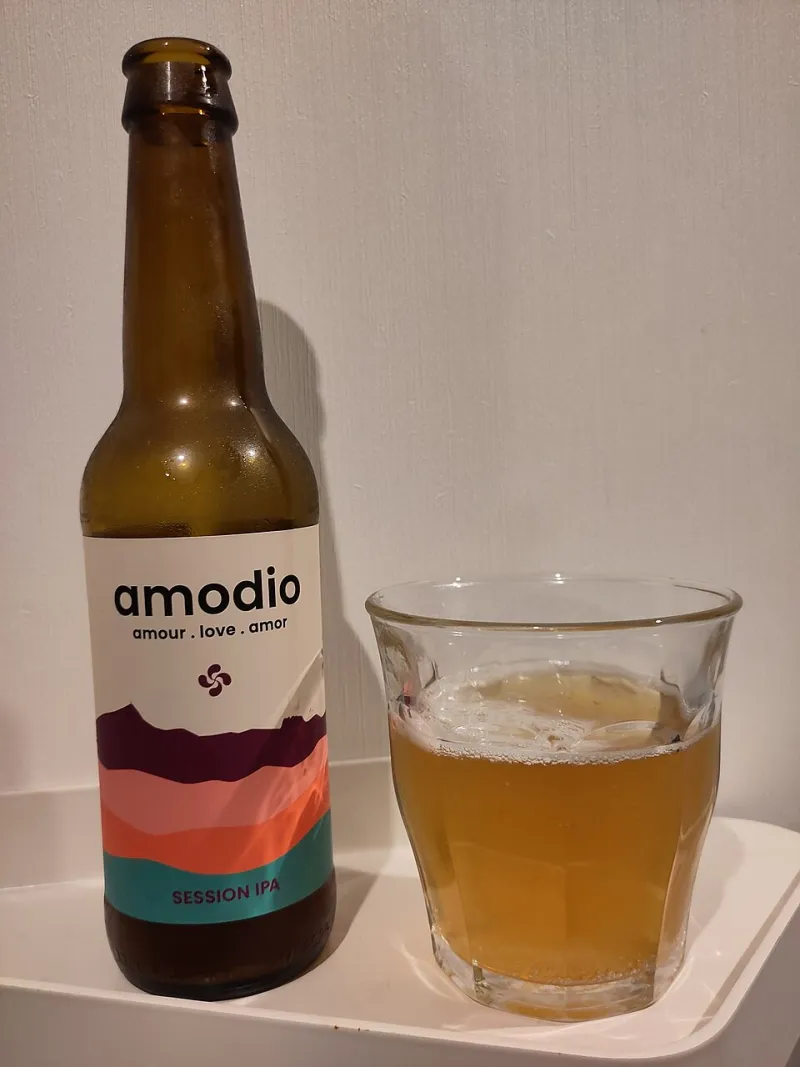
A returnable bottle is not just a heavier version of a one-way bottle. It is a piece of equipment with a expected life, a wash cycle and a failure rate. The glass needs to survive caustic washing. The label needs to come off cleanly, which usually means paper stock and a water-soluble adhesive rather than a foil-heavy design that looks lovely on Instagram and turns into cellar confetti.
The closure matters too. Crown caps are familiar and cheap, but returnable systems reward consistency. Standard bottle shapes make crates, washing racks and third-party handling easier. A brewery that insists on a bespoke bottle shape may find that the deposit scheme is happy to take it back, but the washing partner is less enthusiastic.
This is where small brewers can learn from the keg. Kegs have been returnable for decades. They are tracked, repaired, washed and sent out again. The craft beer sector already knows how to treat a container as an asset. The new bit is doing that with glass at a scale that does not require a full-time logistics manager.
Backhaul is the whole game
The economics of returnables do not really work on a one-way delivery route. They work when the van that drops off fresh beer also picks up empties. That means route planning, crate standards and a bit of honesty about geography. A brewery selling mostly within 30 miles of its taproom has a very different returnable proposition from one shipping pallets to national wholesalers.
For local breweries, the opportunity is obvious. A Friday taproom run can collect bottles from a handful of regular customers. A Saturday delivery round can backhaul crates from a farm shop. The deposit becomes a reason to return to the brewery, not just a charge on a receipt. Some brewers are already experimenting with return credits, bottle-club perks and refill days. The scheme is the nudge; the brewery can make it a relationship.
For breweries selling further afield, the answer may be a pooled bottle system or a washing partner rather than a solo setup. Shared infrastructure is less romantic than a brewery-owned washer, but it is often more sensible. Not every six-barrel brewery needs its own bottle washer any more than it needs its own canning line.
Deposits as a loyalty scheme
The compliance view of DRS is that customers pay a deposit, return the container and get the deposit back. The brewery view can be more interesting. A returned bottle is a second contact. It is a chance to say thank you, offer a small credit, or invite someone into the taproom for a refill. That is not a loophole. It is good retail.
There is a practical limit. Deposit schemes should not become a puzzle. If the rules are confusing, people will bin the bottle and forget the 20p. Clear signage, simple crates and a visible return point matter more than clever loyalty mechanics. The best schemes will feel boring in the right way: easy to understand, easy to use, hard to mess up.
Start with one SKU
The sensible starting point for most small brewers is not a full returnable range. It is one bottle, one local route and one clear process. Pick a beer that sells steadily. Use a standard bottle and a label that washes off. Work out how many bottles you need in circulation, add a buffer for losses, and track returns for a few months before scaling.
That pilot will teach more than any policy webinar. It will show how many bottles come back, how long they sit in the cellar, and whether the washing cost is worth it. It will also show whether customers actually care. Some will. Some will not. That is useful information.
The returnable format is not nostalgia for a lost world of pop bottles and milk floats. It is a design constraint, and constraints can sharpen a small brewery. Fewer formats, better routes, closer customers. If the deposit era is coming, the brewers who treat it as a packaging redesign rather than a tax form will be the ones who make it pay.