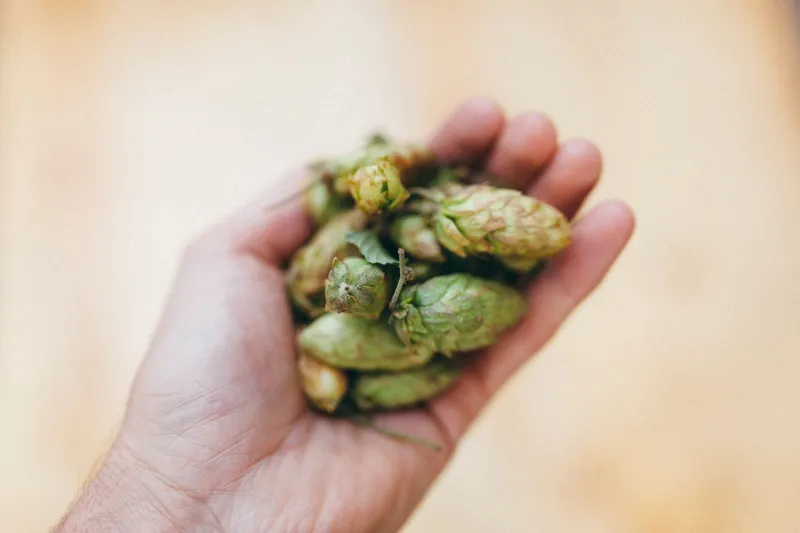
The Handpull Holds: Why Cask Ale Is Getting a Second Wind
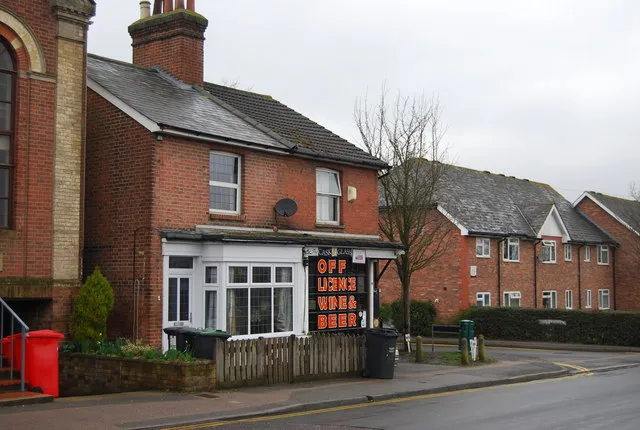
Photo: Nigel Chadwick, CC BY-SA 2.0, via Wikimedia Commons
Every few years someone writes the obituary of cask ale. It is warm, it is flat, it is a middle-aged man's drink, and young people would rather have a hazy pale in a can. The problem with that obituary is that it keeps being published before the patient has actually died. In 2026, cask is not booming in the way the keg boom of the 2010s was booming. But something more interesting is happening: small brewers are treating cask as a fresh, local, living product rather than a heritage exhibit, and younger drinkers are starting to pay attention.
The obituary was premature
Cask ale's long decline is real and well documented. Fewer wet-led pubs, rising costs, inconsistent cellarmanship and the sheer convenience of keg have all taken a toll. The British Beer and Pub Association has been warning about pub closures for years, and cask is often the first casualty when a pub cuts its range. It is harder to keep than keg, it has a shorter shelf life once tapped, and it demands a publican who knows what they are doing.
But the revival is not a sentimental return to the 1970s. It is smaller, more urban and more deliberate. Brewery taprooms have become cask laboratories, where drinkers can try a 3.8% pale two days after it was racked. Cask clubs, tasting flights and meet-the-brewer nights are giving drinkers a reason to care about freshness rather than tradition. And some younger drinkers, raised on heavily hopped hazy beers, are finding that a well-kept cask bitter or pale is a different kind of pleasure: lower in alcohol, softer in carbonation, and built for a long session.
What younger drinkers are actually ordering
“We are not trying to sell cask as heritage,” says Mara Ellison, co-founder of Rook & Reed, a Sheffield brewery that runs a monthly cask club. “We sell it as fresh beer. That is the whole pitch. It is alive, it is local, and it has not been sat in a keg for three months.”
That message seems to land in the right room. Rook & Reed's cask club started as a way to shift pins that would otherwise go stale, and now attracts a mixed crowd of regulars, homebrewers and younger drinkers who come for the £3 thirds and stay for the chatter. The brewery pours two or three cask lines alongside keg, and Ellison says the cask tends to sell out first when the beer is a low-ABV pale with a clean, dry finish.
“The young drinkers we see are not nostalgic,” says Tom Bexley, landlord of The Barley Mow in Norwich. “They are curious. If you give them a third of a 3.8% cask pale and tell them it was brewed two miles away, they get it. What they do not want is a warm pint and a lecture.”
The economics of a fresh firkin
The business case for cask is not as simple as it looks. A firkin holds 72 pints, and once it is tapped it needs to be sold quickly. If a pub cannot shift it in three or four days, wastage eats the margin. That is why smaller formats matter. Pins of 36 pints are easier for quieter pubs to manage, and they let a publican offer a rotating cask line without gambling on a full firkin.
Cask is also more labour-intensive than keg. Cellar management, line cleaning, venting and settling all take time, and staff need training. In a sector where energy, duty, malt, hops and wages have all risen, that extra labour is a real cost. The publicans making cask work are not doing it because it is cheap. They are doing it because it brings people through the door and gives the pub a point of difference that a standard keg range cannot match.
New formats, old rituals
Some of the most interesting cask work is happening at the edges. Brewers are sending pins rather than firkins to festivals, which keeps beer fresher and reduces waste. Taprooms are running “fresh cask Fridays” with beers racked that week. Cask trails are linking pubs in market towns, and brewery-led festivals are pairing cask with food, music and low-ABV options. There is even a small but growing interest in cask-conditioned lager and dark mild, styles that suit the format's gentle carbonation and lower serving temperature.
The ritual still matters. The handpull is a piece of theatre, and the pint that settles in front of you is part of the appeal. But the revival will not be built on nostalgia alone. It will be built on beer that tastes alive, served at the right temperature, in a pub that knows how to look after it.
The publican's gamble
Not every pub should serve cask. That is the uncomfortable truth. A food-led pub with low wet sales may not have the throughput, and a badly kept cask line does more damage than no cask line at all. The publicans making it work tend to be selective: one or two well-chosen casks, a clear rotation, and a willingness to take a pin rather than a firkin when trade is uncertain.
“Cask is a commitment,” Bexley says. “If you are going to do it, do it properly. Clean lines, good temperature, a beer that is going to sell. Otherwise you are just giving people a reason to order keg.”
Long live the handpull
Cask ale is not dead, but it is smaller and more specialised than it was in its postwar heyday. That may be no bad thing. The breweries and pubs leading the revival are not trying to recreate the past. They are treating cask as a fresh, local product with a distinct drinking experience, and they are finding an audience among drinkers who want something that feels real.
The handpull holds, then, but only where the beer moves. The future of cask is not a museum piece behind glass. It is a pin on the bar, a chalkboard listing, a third of pale at 3.8%, and a publican who knows that the best pint in Britain is the one that has not travelled far and has not waited long.